
Kilimanjaro Climbing and Trekking tours
Kilimanjaro Climbing and Trekking tours
Kilimanjaro Climbing and Trekking tours
Ngorongoro Conservation Area | Crater & Big Five Wildlife
Africa’s most extraordinary protected landscapes
The Ngorongoro Conservation Area in northern Tanzania is one of Africa’s most extraordinary protected landscapes. It is a unique blend of wildlife, geology, and human history, where ancient volcanic highlands shelter one of the densest concentrations of animals on the planet inside a vast natural caldera.
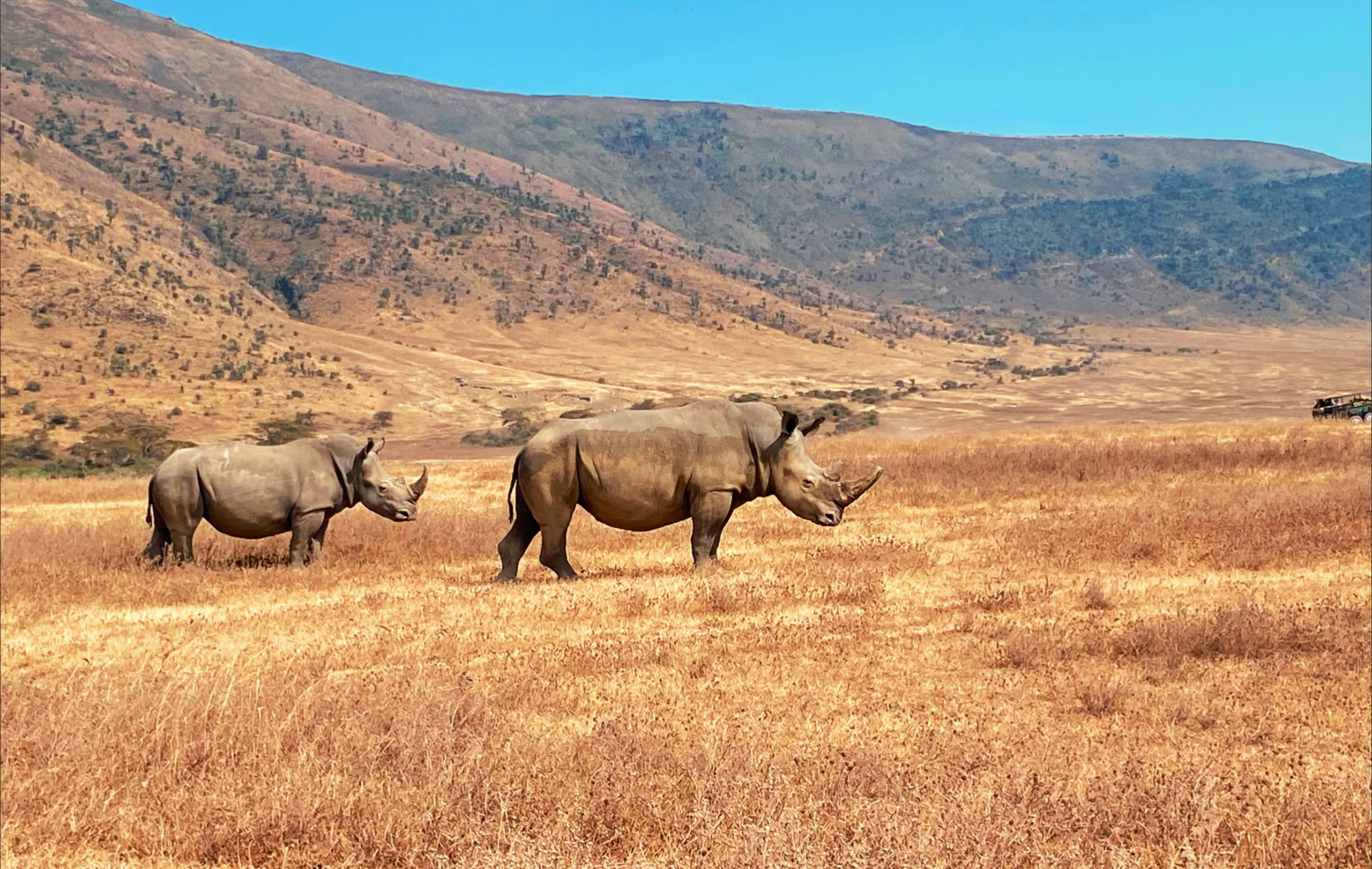
At its heart lies the world-famous Ngorongoro Crater, often called the “Eighth Natural Wonder of the World,” a self-contained ecosystem where lions, elephants, rhinos, and flamingos thrive in remarkable proximity.
Overview of Ngorongoro Conservation Area
The Ngorongoro Conservation Area spans approximately 8,292 square kilometres and is part of Tanzania’s northern safari circuit. It lies between the Serengeti National Park to the west and the Great Rift Valley to the east.
Unlike a traditional national park, the area is a multiple-use landscape where wildlife coexists with semi-nomadic Maasai pastoralists, creating a rare harmony between conservation and human life.
The region is also a UNESCO World Heritage Site, recognized for both its outstanding natural value and archaeological significance.
The Ngorongoro Crater – A Natural Wildlife Sanctuary
The Ngorongoro Crater is the world’s largest intact volcanic caldera, formed when a massive volcano collapsed millions of years ago.
Inside the crater lies a self-contained wildlife paradise featuring:
- Open grasslands for grazing herds
- Swamps and soda lakes attracting flamingos
- Forests sheltering elephants and primates
- Permanent water sources supporting year-round wildlife
The crater floor is one of the best places in Africa to see the Big Five in a single day.
Wildlife in Ngorongoro Conservation Area
The Ngorongoro ecosystem supports an incredible density of wildlife due to its permanent water and fertile soils.
Big Game Species
- Lions frequently seen hunting on the crater floor
- Elephants, especially large tuskers in forested areas
- Buffalo in large herds across grasslands
- Leopards in the crater rim forests
- The rare and endangered black rhino
Other Mammals
- Zebra and wildebeest
- Thomson’s and Grant’s gazelles
- Hippos in crater pools
- Hyenas, jackals, and servals
Birdlife and Smaller Wildlife
The conservation area is a paradise for bird enthusiasts, with more than 500 recorded bird species, including:
- Flamingos along Lake Magadi
- Ostriches roaming the plains
- Crowned cranes and secretary birds
- Raptors such as eagles and vultures
Seasonal rains bring dramatic bird activity, especially around crater lakes and wetlands.
Landscapes and Geography
The Ngorongoro Conservation Area is one of the most visually diverse regions in East Africa. It includes:
- The Ngorongoro Crater and surrounding highlands
- Ancient volcanic mountains and calderas
- Open savannah plains bordering the Serengeti ecosystem
- Dense montane forests on crater rims
- Archaeological sites in Olduvai Gorge
The dramatic elevation changes create multiple microclimates, supporting diverse ecosystems within a relatively small area.
Cultural Heritage – The Maasai People
The Ngorongoro Conservation Area is also a cultural landscape, home to the Maasai people who continue traditional pastoral lifestyles.
Visitors may encounter:
- Traditional Maasai bomas (villages)
- Cattle herding across open plains
- Cultural tours showcasing customs, dances, and crafts
- A long-standing coexistence between people and wildlife
This integration of culture and conservation makes the area globally unique.
Things to Do in Ngorongoro Conservation Area
A visit offers a wide range of safari and cultural experiences:
- Game drives inside the Ngorongoro Crater
- Scenic viewpoints along the crater rim
- Walking safaris in designated highland areas
- Visits to Maasai villages
- Exploration of Olduvai Gorge, an important archaeological site
- Photography safaris with dramatic landscapes
Best Time to Visit Ngorongoro Conservation Area
The area can be visited year-round due to its permanent wildlife populations.
- June to October: Dry season, best wildlife visibility
- December to March: Calving season and lush scenery
- April to May: Green season with fewer tourists and dramatic landscapes
Morning game drives inside the crater often provide the best sightings before animals move into shaded areas.
Accommodation Options
Accommodation ranges from luxury lodges to mid-range and budget options, mainly located along the crater rim and surrounding highlands.
Options include:
- Luxury crater-rim lodges with panoramic views
- Tented safari camps in surrounding conservation lands
- Budget lodges in nearby Karatu town
Staying near the crater allows early access for optimal wildlife viewing.
Nearby Attractions
The Ngorongoro Conservation Area is often combined with other northern Tanzania destinations:
- Serengeti National Park
- Lake Manyara National Park
- Tarangire National Park
- Olduvai Gorge
- Empakaai and Olmoti Craters
- Lake Natron and the Great Rift Valley escarpment
Final Thoughts
The Ngorongoro Conservation Area is one of the most remarkable safari destinations in the world—where a collapsed volcano became a thriving wildlife sanctuary, and where ancient landscapes continue to support both people and nature.
From the breathtaking views atop the crater rim to the dense concentration of wildlife on its floor, Ngorongoro offers one of Africa’s most unforgettable safari experiences.
Plan Your Ngorongoro Safari
Ready for an unforgettable Ngorongoro safari? Our expert team will help you plan every detail—from itinerary design to game drives—ensuring a safe and memorable experience in Tanzania’s iconic crater highlands.