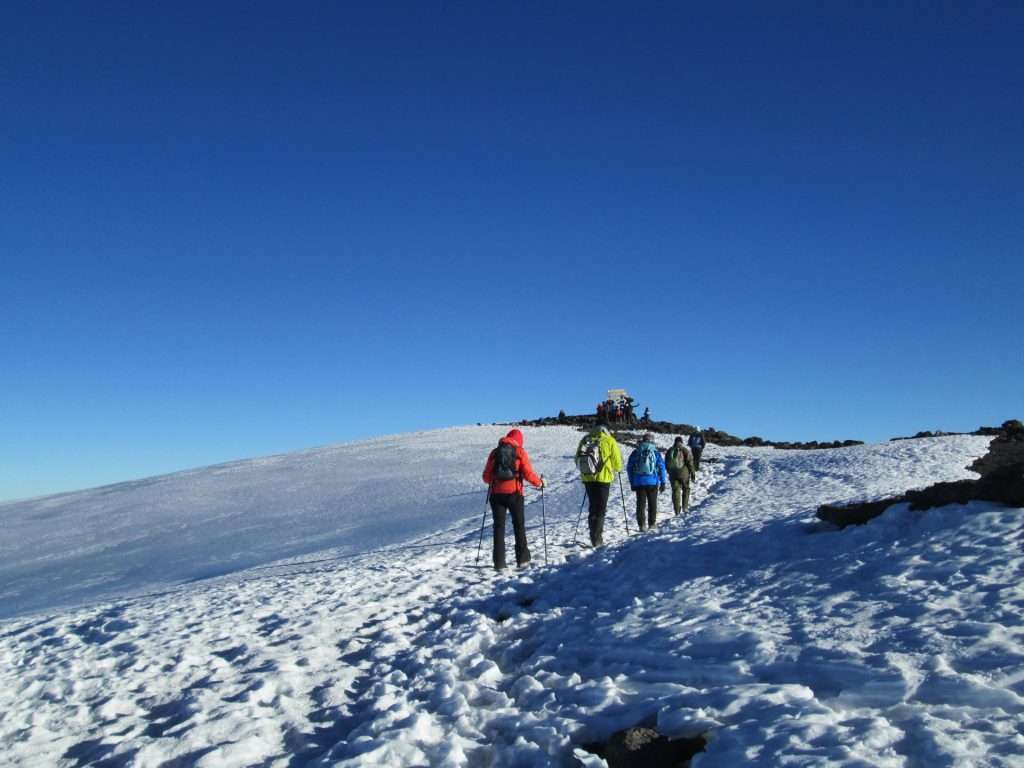
What is the best time to climb Kilimanjaro?
Book your Trip today Book This Safari × 📦 Book This Safari 👨👩👧👦 Travelers 📅 Travel Plan Arrival Date 🌍 Safari Style Select TypeBudget SafariMid-range SafariLuxury Safari 🏨 Accommodation Type SelectCampingLodgeHotelTented Camp 💰 Accommodation Class SelectBudgetMid-rangeLuxury ✨ Notes Request Booking
Kilimanjaro Trekking Packing List

Clothing for Kilimanjaro On Kilimanjaro, you’ll experience a fascinating range of climates as you traverse through four distinct zones: the lush rainforest, the expansive moorland, the picturesque alpine meadows, and the breathtaking Arctic desert. Prepare yourself for the contrasting weather conditions, with the lower altitude rainforest being hot and humid, and the summit zone boasting freezing temperatures, accompanied by strong winds. Daytime temperatures tend to be elevated, but be aware that they can plummet to freezing levels during the night. It is crucial to equip yourself thoroughly to tackle these variable conditions. Jackets For this trip, you’ll need three types of jackets: Clothing for Kilimanjaro On Kilimanjaro, you’ll experience a fascinating range of climates as you traverse through four distinct zones: the lush rainforest, the expansive moorland, the picturesque alpine meadows, and the breathtaking Arctic desert. Prepare yourself for the contrasting weather conditions, with the lower altitude rainforest being hot and humid, and the summit zone boasting freezing temperatures, accompanied by strong winds. Daytime temperatures tend to be elevated, but be aware that they can plummet to freezing levels during the night. It is crucial to equip yourself thoroughly to tackle these variable conditions. Jackets For this trip, you’ll need three types of jackets: A fleece jacket provides insulation. Fleece jackets can be worn separately or over a trekking shirt. They are ideal for use at night while camping. A fleece jacket is essential; you’ll be wearing it for the majority of your Kilimanjaro trek. Polartec-200 fabric is preferred over all others for Kilimanjaro trips. The greatest fleece jacket brands are The North Face, Red Fox, Mountain Hardwear, and Patagonia. Hooded fleece jackets provide more warmth and comfort. We recommend packing 2-3 items for your trip. The North Face, Red Fox, Mountain Hardwear, and Patagonia provide the best fleece coats for Kilimanjaro treks. Rain jacket with a membrane hard shell You’ll probably need a hard shell rain jacket from the moment you leave for your trip. The purpose of this garment is to shield you from the wind and light rain before you arrive at the summit camp. It would be your third layer, following thermal underwear and a fleece jacket, for the majority of Kilimanjaro days. Warm jacket or Down jacket In camp, a warm jacket is used for summiting and for keeping you warm on chilly evenings. It is a vital component of your equipment. At -15°C / 5°F, a thermal jacket should be comfortable to wear and neither too heavy nor too light.Verify that the warm jacket you’re wearing has a hood. The down jacket’s waterproofness is an additional crucial consideration. Since rain and snow are common on Mount Kilimanjaro, it is advised that you wear warm coats with an outer material that is water-resistant to protect yourself from light precipitation. You’ll need a specific rain jacket to provide extra coverage in the event of heavy rain or snowfall. Trousers For this trip, you’ll need three types of trowser: Trekking trousers. Generally, adequate trekking pants will suffice for a journey to Mount Kilimanjaro. Even if you like to hike in shorts, you’ll still need pants for the colder nights in the camps and the higher altitude areas of Kilimanjaro. Membrane rain pants. Membrane pants are essential for any Kilimanjaro adventure, especially during the wet season. When worn with trekking pants, they provide excellent wind and rain protection, enhancing your overall experience. Warm trousers or ski pants. Warm trousers or ski pants are another essential item for your packing list. They are required for the top portion of your trip, when the weather is very chilly. These trousers should be water resistant, lined with fleece on the inside for warmth, and wrapped in strong hard shell insulation to defend against the elements. Ideally, these pants should be comfortable to wear in temperatures below -15 CO/5°F. If you are not used to chilly weather, you will appreciate wearing warm pants in Kilimanjaro’s higher camps. Duffle bag. The majority of your Kilimanjaro clothing and gear will be kept in a duffle bag, including hiking boots (unless you’ve opted to wear them right away), a sleeping bag, and other items. A porter will be carrying it at all times. Porters typically carry duffel bags on their heads, hence soft variants are required for their comfort. A porter carrying your duffle on his head will travel around 40-50 kilometers (depending on route). According to Kilimanjaro National Park regulations, your fully laden duffle bag should not weigh more than 15 kilograms. Have a minimum capacity of 90-120 liters. Otherwise, you will be unable to fit the whole Kilimanjaro outfit. It should be manufactured from waterproof materials. Along with a duffel bag, we recommend bringing several large dry bags to pack your gear in individually. This strategy will give additional protection and keep all of your goods dry in the event of heavy storms.Leaders Expedition can provide you with a suitable, water-resistant duffle bag before your journey begins. Water Flask. A water flask is an absolute necessity. Unlike some low-quality hydration bladders, it will not freeze over night. You must drink at least 3-4 liters of water every day, so a flask is an essential equipment for this trip. You should pack 1-2 water flasks (one liter each) for your Kilimanjaro expedition. Aside from a water flask, it is also advisable to have a thermos for hot tea or coffee. Though the guides usually carry one thermos each for the hikers to have a hot drink on the route, bringing your own means having extra supplies, which are never unnecessary on Kilimanjaro. greater tea or coffee equals greater energy, which you will undoubtedly need. Trekking Boots. Choosing the right trekking boots is certainly crucial. There are numerous possibilities on the market, and it might be difficult to select the appropriate one. Ideally, your hiking footwear should meet the following requirements: Boots should provide enough ankle support. To avoid injury, buy a strong model with adequate ankle support. Boots should be medium weight.
When is the Best Time to Visit Tanzania for Wildlife Safaris
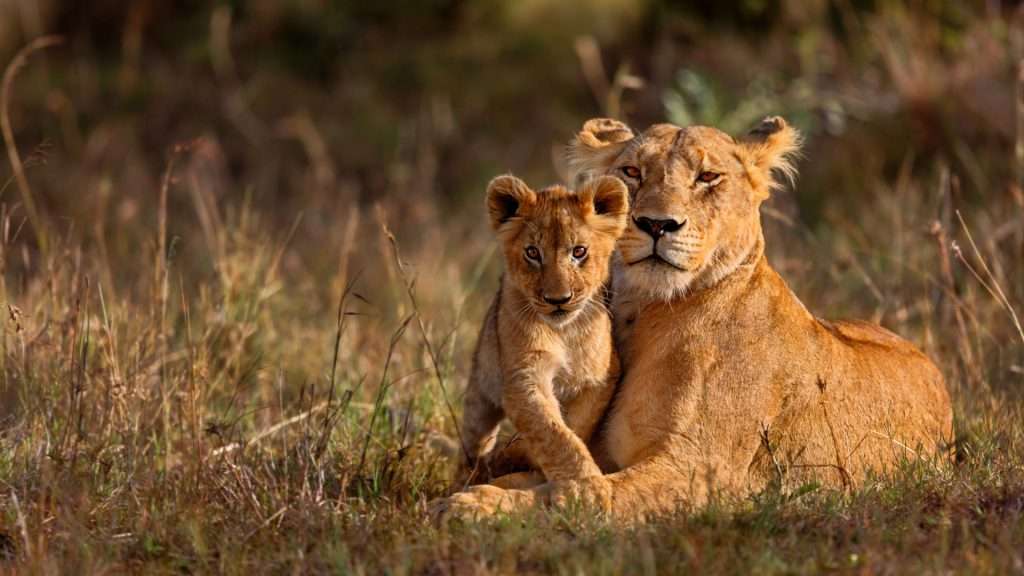
Knowing the best time to visit Tanzania on a wildlife safari is all about understanding your desires for an East African adventure. This captivating country offers an abundance of breathtaking wildlife, pristine tropical beaches, rich cultural experiences, and iconic landscapes. However, certain times of the year are more favorable for indulging in Tanzania’s main attractions, making it essential to conduct thorough research. Discover more about the country’s climate, seasons, and optimal times to visit Tanzania for an unforgettable experience. Overall Best Time to Visit Tanzania Tanzania’s tropical climate exhibits variations based on region and altitude, with fairly consistent temperatures year-round. However, it is crucial to note the distinct dry and rainy seasons that occur in the country. Overall, the optimum time to visit Tanzania is widely regarded as the country’s extensive dry season, which spans from July to October. Experience the breathtaking wonders of the Serengeti’s great migration, embark on an exhilarating Mount Kilimanjaro trek, and bask in the tropical beauty of Zanzibar Island’s beaches. These months offer a rare opportunity to witness nature’s spectacle, challenge yourself on an unforgettable journey, and unwind in paradise. However, it is important to note that during these months, Tanzania experiences its peak travel season. Consequently, various destinations will be bustling with tourists, resulting in higher rates across the board. For a more tranquil and serene experience, our team of African Travel Experts recommends a visit to this country during the shorter rainy season (end of October to December) or the shorter dry season (January to February). We recommend avoiding the extended wet season from March to May, as it may bring about unexpected and intense rain showers that can disrupt your travel arrangements and planned activities. However, it does get a little more nuanced than this, and when to go to Tanzania really depends on what you want to do during your trip. Most people come to this amazing country because they want to take a wildlife safari through the beautiful Serengeti National Park, see the world-famous wildebeest migration, hike Mount Kilimanjaro or explore the beach paradise of Zanzibar. So, to help you plan your perfect trip, we’re going to explain when is best to visit Tanzania for each of these brilliant options. Best Time to See the Great Migration in Tanzania Tanzania’s headline attraction is the Great Migration, which takes place across Serengeti National Park. Every year, almost 2 million animals – mostly wildebeest, zebra, gazelles, and antelopes – cross the open plains of this vast national park in search of water holes and food. Their crossing of the Mara River is the climax of this journey and is filled with drama, as these animals try to escape the jaws of waiting crocodiles and other predators. Cited by some as the greatest wildlife phenomenon on earth, this spectacle is not to be missed if you’re considering when to go to Tanzania. Though the great migration is happening for much of the year, late June to August herald its peak, making these the best months to see this natural phenomenon. However, this is also migration peak season and it goes without saying that this bucket list activity is popular! As such, it can get very crowded in Serengeti National Park and the surrounding safari lodges at this time. Safari and flight prices also go up during these months too, and camps can be fully booked up to a year in advance. This means you’ll need to plan ahead and get a booking early if you want to travel to Tanzania in June, July, or August. Best Time for a Wildlife Safari in Tanzania The Serengeti National Park is a year-round safari destination and if you aren’t fixated on seeing the great migration at its peak, there are other times to visit the reserve that may suit you better. In short, the best time for a Tanzania safari in the Serengeti really depends on what wildlife you’d like to spot. January to March is calving season – a great safari opportunity to see young wildebeest, zebras, and antelopes, as well as lion cubs and even elephant calves. It’s even common to see calves being born! However, this is not the best for seeing the migration on the move so don’t expect stampeding herds or dramatic river crossings. Tanzania’s ‘green season’, between November and March is a fantastic time for birdwatching, as migratory species arrive in their thousands. There will be fewer visitors during this time compared to the peak of the great migration, along with lower prices, although there may be some rainfall. The ‘long rain’ season (March to May) is the least popular time to take a Tanzania safari, as heavy rains can disrupt wildlife viewing. However, if you’re looking for the best safari deals, this is the time of year to pick them up!
Tanzania Safari Recomended Packing List
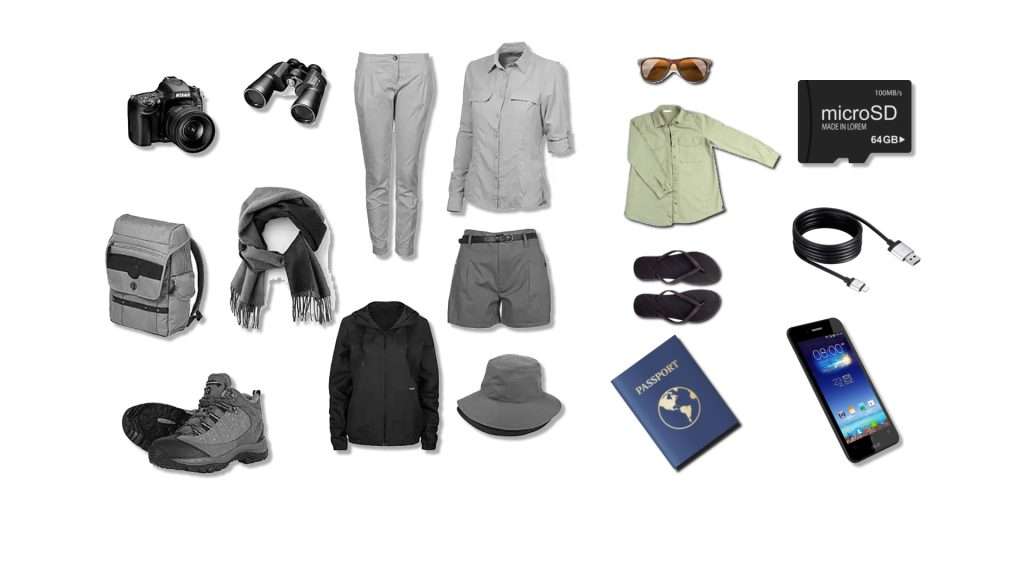
If this is your first time in Tanzania or your first time on safari, this packing list below can help to be well prepared and comfortable during your adventure. If you do forget a few things, don’t worry, you can pick up most everyday items in town before you leave. Travel Documents Valid passport Yellow fever vaccination records/ certificate. Tanzania visa, available at airport upon arrival, USD $100 payable in cash only for US citizens or USD $50 for residents of UK/European Union and most other countries. Copy of flight itinerary. Copy of travel and/or medical evacuation insurance. Personal medical/dental insurance cards. Credit card (Visa and MasterCard are most widely accepted). Cash in U.S. Dollars (bills MUST have been issued in 2004 or later) Clothing Remember, it’s not a fashion show out there, so be a bit more practical when choosing your safari wardrobe. Try to stay away from bright colours – khaki and other neutral colours tend to work well. It is probably best if you dress in layers since it can get cold, but also very hot. Sweater or fleece pullover to keep warm Sturdy boots or sandals Sun hat Sun glasses T-shirts or polo shirts (2-5 depending on how often you want to change) Long sleeve shirts (light weight) Shorts Long trousers Underwear Socks Sleepwear Travel towel Thermal underwear, gloves and warm hat (during May – Sept) Rain coat and rain trousers (During rainy season Mar – May and Oct – Dec) Highly recommended Camera and memory cards Binoculars Sunscreen Hand sanitizer and wet wipes Insect Repellent Personal toiletries (soap, shampoo, toothbrush, eye drops etc) Malaria tablets Basic first aid kit and prescription medicines Flashlight or headlamp Chargers and extra batteries for your camera, phone etc Power adapter to fit the UK style electrical socket Others tips Bring soft luggage such as a duffel bag, hiking pack or sports bag. These are ideal for packing into a safari vehicle. Hard suitcases can often be difficult to fit into the vehicles. Bring a backpack to carry all of your important items including travel documents, money, camera, medication etc. You should keep this backpack with you at all times. Keep luxury items such as hair dryers/ straighteners, expensive jewellery, make up and bulky toiletries to an absolute minimum. If in doubt, leave them out. If you plan to bring cash, divide it into different areas of your carry-on luggage, wallet and money belt just in case something happens to one of those carry items. Leave some space in your luggage for the all-important souvenirs that you will probably buy. There are places where you can send packages home via DHL etc, however this can sometimes be an expensive option.